
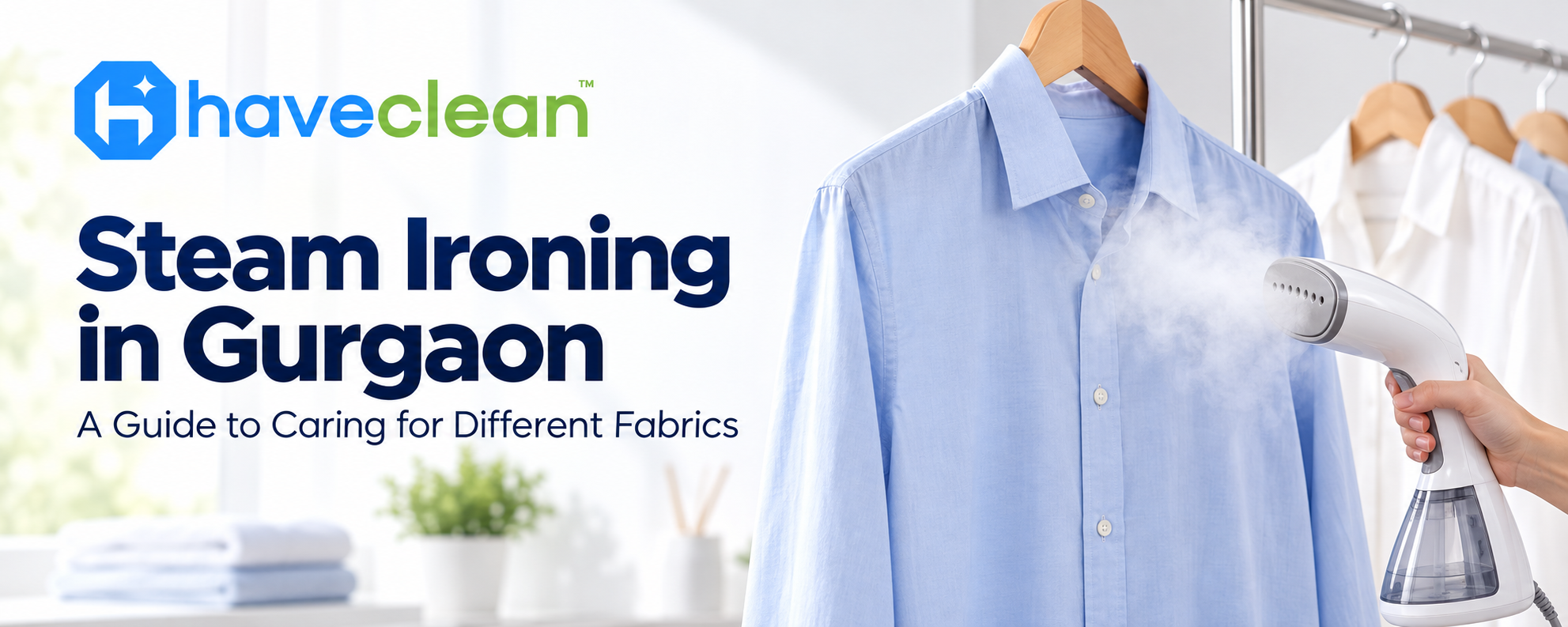
Steam Ironing in Gurgaon: A Guide to Caring for Different Fabrics
A freshly ironed outfit can make getting ready for work, an event or a regular day feel easier. Yet ironing every garment the same way can cause problems. A cotton shirt, a silk kurta and a polyester dress may each need a different approach to heat, steam and pressure.
If you are considering steam ironing services in Gurgaon, it helps to understand what your clothes need before they reach the ironing board. This guide covers common fabrics, care labels and practical ways to keep garments looking neat.
What Is Steam Ironing?
Steam ironing uses heat, moisture and gentle pressure to smooth wrinkles. The steam helps relax creases, while the iron gives the garment its finished shape. It can be useful for everyday clothes such as shirts, trousers and kurtas, but steam is not suitable for every item.
The first step is always to read the garment’s care label. Iron symbols indicate whether an item can be ironed and the maximum heat setting. Some labels also restrict steam. The care label should guide the setting even when you know the fabric type, because a garment may have a special finish, lining or blend.
Why Fabric Type Matters
Different fabrics respond differently to heat and moisture. Some release wrinkles more easily when slightly damp. Others can develop shine, marks or changes in shape if pressed too firmly. A garment may also contain several materials: for example, a cotton shirt with synthetic trim or an embroidered kurta with a delicate lining.
That is why good ironing involves more than selecting a setting marked “cotton” or “silk.” Check the label, look at the garment’s construction and start cautiously when you are unsure. For expensive or delicate clothing, it is sensible to ask a professional about the appropriate care method before ironing it.
Cotton: Everyday Shirts, Kurtas and Trousers
Cotton is common in office wear and everyday clothing. Shirts, kurtas, trousers and children’s uniforms can all develop noticeable creases after washing or storage. Where the care label allows it, steam can help smooth cotton and give collars, cuffs and seams a tidy finish.
Ironing a cotton garment while it is slightly damp may make stubborn wrinkles easier to manage. Work in sections rather than repeatedly pressing the same spot. On a shirt, you can begin with the collar and cuffs, then move to the sleeves and body. Pay attention to pockets and seams so they lie flat.
Not all cotton garments should receive the same heat. Printed designs, decorative details and blended fabrics may need a gentler approach. Turn an item inside out or use a pressing cloth when appropriate, and follow its label rather than assuming that every cotton garment tolerates a high setting.
Linen: A Neat Finish Without Fighting Every Crease
Linen is valued for its light feel, but it wrinkles easily. Linen shirts, dresses and trousers often need attention after washing, folding or sitting for a long time. If the label permits ironing, pressing the garment while it is still slightly damp can help smooth it.
Take care around collars, waistbands, pleats and pockets. Strong pressure can create unwanted lines, especially when a seam or pocket is trapped beneath the iron. Turning the garment inside out or placing a pressing cloth over sensitive areas can help protect the visible surface.
Linen also has a naturally relaxed appearance. The goal does not have to be removing every small crease. A clean, well-shaped finish may look better than repeatedly pressing the same section.
Silk: Handle Heat and Moisture Carefully
Silk garments often need a cautious approach. Excessive heat, pressure or moisture can affect their appearance, and the correct method depends on the individual garment. A silk blouse, saree or kurta may also include embroidery, lining or other details that require separate care.
Check the label before applying an iron or steam. If ironing is permitted, use the indicated setting and avoid pressing hard. Some garments may benefit from being ironed inside out with a suitable pressing cloth, but this should still be consistent with their care instructions. The American Cleaning Institute advises using a low temperature and ironing silk inside out.
If the label says “do not iron” or “do not steam,” follow that instruction. When the label is missing or the garment is valuable, ask for professional guidance instead of testing heat on a visible area.
Wool: Preserve the Garment’s Shape
Wool trousers, jackets and winter garments need careful handling because pressing too firmly can flatten the fabric or leave shiny areas. The aim is to smooth wrinkles while preserving the garment’s shape.
When the care label permits ironing, use the setting it specifies and avoid heavy pressure. A pressing cloth can help protect areas that are sensitive to shine. Give the garment time to cool and dry before wearing or storing it, so the finished shape has a chance to settle. GINETEX’s ironing guidance recommends avoiding heavy pressure at moderate settings and protecting shine-sensitive pieces.
Structured items, such as blazers, can be particularly difficult to press at home. Their lining, lapels and shaped sections may need more attention than a flat piece of fabric.
Polyester and Other Synthetic Fabrics: Keep Heat Controlled
Polyester and other synthetic materials are used in dresses, shirts, sportswear and fabric blends. They may resist wrinkles better than some natural fabrics, but too much heat can still damage them.
Use the care label to decide whether ironing is allowed and whether steam can be used. At a low ironing setting, some care symbols call for ironing without steam. If a garment has a printed design or a surface that may become shiny, turn it inside out or use a pressing cloth where appropriate. Avoid leaving the iron in one place.
Blended fabrics deserve the same attention. A shirt that feels like cotton may also contain polyester or elastane, so its label is more reliable than its appearance.
Embroidered, Printed and Occasion Wear
Festive and occasion wear can combine several fabrics with beads, sequins, embroidery, prints or decorative trim. Direct contact with a hot iron can damage these details, while firm pressure may flatten raised work.
Inspect the garment and read its label before attempting to remove wrinkles. Keep the iron away from decorations unless the care instructions clearly allow contact. If an undecorated section can be ironed, work carefully around the embellished areas rather than treating the entire garment alike.
Sarees, lehengas, formal dresses and jackets may also have linings or structured parts. If you are uncertain how to handle them, a professional garment care assessment is a sensible step.
Common Ironing Mistakes to Avoid
Even a familiar garment can be damaged when ironing is rushed. Watch out for these mistakes:
- Ignoring the care label: The fabric name alone does not tell you the safe heat or steam setting.
- Using steam on every item: Some garments must be ironed without steam, while others should not be ironed at all.
- Pressing too hard: Excessive pressure can leave shine or unwanted creases.
- Ironing over buttons and embellishments: These areas need careful handling.
- Putting clothes away immediately: Let garments cool and dry before folding or hanging them closely with other clothes.
A little preparation also helps. Flatten seams, empty pockets and check that the garment is clean before ironing. Pressing over a stain can make it harder to deal with later.
When Should You Choose a Clothes Ironing Service in Gurgaon?
Home ironing can work well for a few straightforward items. A clothes ironing service in Gurgaon may be useful when you have a larger load, limited time or several garments with different care needs. Office shirts, uniforms, trousers and everyday kurtas can quickly add up during a busy week.
Before handing over clothes, separate delicate and embellished items from everyday wear. Point out any stains, loose buttons, damage or special instructions on the label. If a garment has sentimental or high value, ask whether its fabric and detailing can be handled appropriately. Clear instructions help the service understand what needs attention.
Choose Care That Fits the Garment
Good ironing is about treating each garment according to its label, fabric and construction. Cotton and linen may benefit from moisture when their labels allow it. Silk and wool need gentler handling, while synthetic fabrics call for careful heat control. Embellished clothes deserve a closer look before any iron is applied.
Whether you iron at home or seek steam ironing in Gurgaon, begin with the care instructions and avoid guessing. For help keeping everyday and special garments ready to wear, contact HaveClean to discuss the ironing care your clothes need.
FAQs: Steam Ironing in Gurgaon
1. Is steam ironing suitable for all fabrics?
No. Always check the garment’s care label. Some fabrics require low heat without steam, while others should not be ironed.
2. Can silk clothes be steam ironed?
It depends on the garment’s care label and detailing. Silk needs gentle handling, so ask for professional advice if you are unsure.
3. Is steam ironing good for cotton shirts?
Steam can help smooth wrinkles in cotton shirts when the care label permits it. Collars, cuffs and seams may need extra attention for a neat finish.
4. How should linen clothes be ironed?
If the label allows ironing, linen is often easier to smooth while slightly damp. Use care around seams and pockets to avoid unwanted lines.
5. Can steam ironing damage polyester clothes?
Excessive heat can damage polyester. Follow the care label’s heat and steam instructions rather than selecting a setting based only on the fabric name.
6. Can embroidered or embellished clothes be steam ironed?
Avoid applying an iron directly to beads, sequins, prints or embroidery. Check the care label and seek professional guidance for delicate occasion wear.
7. What is the difference between steam ironing and regular ironing?
Steam ironing adds moisture to help relax wrinkles. Regular dry ironing relies on heat and pressure without steam. The right method depends on the garment’s care instructions.
8. Should clothes be washed before ironing?
Clothes should be clean before ironing. Check for stains first, as heat may make some stains harder to remove.
9. When should I choose a clothes ironing service in Gurgaon?
A service can be helpful when you have a large load, limited time or garments that need careful handling. Share any special care instructions when handing over your clothes.
10. How should I store clothes after steam ironing?
Allow garments to cool and dry completely. Then hang or fold them neatly to help prevent new creases.
